
The Future of Work: The Trends That Have Shaped 2025 and What They Signal for 2026
November 27, 2025
From Side Hustle to Scale-Up: Why Startups Thrive in Coworking Spaces
January 30, 2026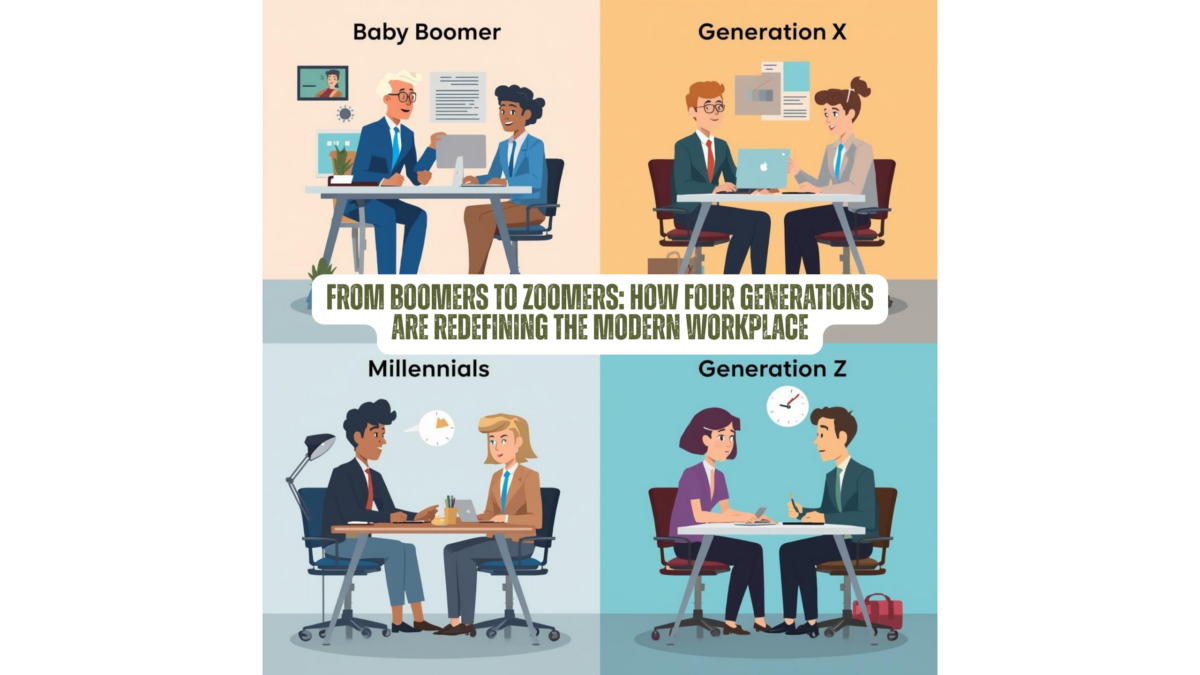
Walk into any workplace today and you’ll likely find employees who grew up with rotary phones collaborating with colleagues who’ve never known a world without Wi-Fi. This mix of generations can be a powerful advantage or even a source of friction. This depends on how well it’s understood and managed.
Generational differences in the workplace aren’t about stereotypes or who’s “right.” They’re about understanding how different life experiences shape expectations, communication styles and motivations at work. Let’s explore what each generation brings to the table and how organizations can turn diversity of age into a strategic strength.
The Four Generations at Work
- Baby Boomers (born 1946–1964): The Builders
Baby Boomers grew up in a post-war era focused on stability, economic growth and loyalty. Many built their careers in hierarchical organizations where paying dues and staying long-term were the norm.
Workplace strengths:
- Strong work ethic and institutional knowledge
- Comfort with structured processes and clear authority
- Loyalty to organizations and teams
Common preferences:
- Face-to-face communication
- Clear roles and expectations
- Recognition tied to tenure and achievement
Boomers often value respect earned through experience and can feel frustrated when that experience is overlooked.
- Generation X (born 1965–1980): The Bridge
Often called the “forgotten generation,” Gen Xers grew up during economic uncertainty and rapid social change. They’re known for independence and adaptability.
Workplace strengths:
- Self-reliance and problem-solving
- Comfort balancing people and results
- Pragmatic leadership style
Common preferences:
- Direct, efficient communication
- Flexibility and autonomy
- Work–life balance
Gen X frequently serves as the cultural translator between older and younger employees.
- Millennials (born 1981–1996): The Purpose Seekers
Millennials entered the workforce during major technological shifts and economic disruptions. They’re often mischaracterized as entitled, but research shows they’re deeply motivated by meaning and growth.
Workplace strengths:
- Collaboration and teamwork
- Strong desire for feedback and development
- Tech fluency and innovation
Common preferences:
- Regular feedback and coaching
- Flexible work arrangements
- Purpose-driven work and values alignment
Millennials thrive in environments where their ideas are heard and their growth is prioritized.
- Generation Z (born 1997–2012): The Digital Natives
Gen Z is just beginning to make its mark on the workforce. Having grown up fully online, they bring a new level of digital fluency and social awareness.
Workplace strengths:
- Comfort with rapid change and new tools
- Strong focus on diversity, inclusion, and mental health
- Entrepreneurial mindset
Common preferences:
- Clear expectations and transparency
- Stability combined with flexibility
- Frequent, bite-sized communication
Despite assumptions, many Gen Z employees value job security having watched economic and social volatility firsthand.
Where Generations Clash and Why
Generational tension often shows up in a few key areas:
- Communication styles: Email vs. chat, meetings vs. messages
- Feedback expectations: Annual reviews vs. real-time input
- Work location: Office-first vs. remote or hybrid
- Career progression: Patience vs. rapid advancement
These differences aren’t flaws they are mismatched assumptions. Problems arise when one generation’s “normal” is treated as the only acceptable way to work.
Turning Generational Diversity into an Advantage
Organizations that succeed across generations focus less on age and more on inclusion.
What works:
- Flexible policies: Let outcomes matter more than methods
- Multiple communication channels: Meetings, written updates, and collaborative tools
- Reverse mentoring: Pair younger employees with senior leaders to share digital and cultural insights
- Shared purpose: Align everyone around common goals and values
When employees feel respected for their contributions not their birth year collaboration improves naturally.
Generational differences in the workplace aren’t a problem to solve they are a resource to leverage. Each generation brings unique strengths shaped by its time, technology, and challenges.
The most successful workplaces don’t try to force everyone to work the same way. Instead, they build cultures flexible enough to let Boomers, Gen X, Millennials and Gen Z all do their best work together.
In a world defined by change, that might be the ultimate competitive advantage.